Sekumpul Waterfall
Photo Credit: Photo by Aleksandra Dementeva on Unsplash
Sekumpul Waterfall
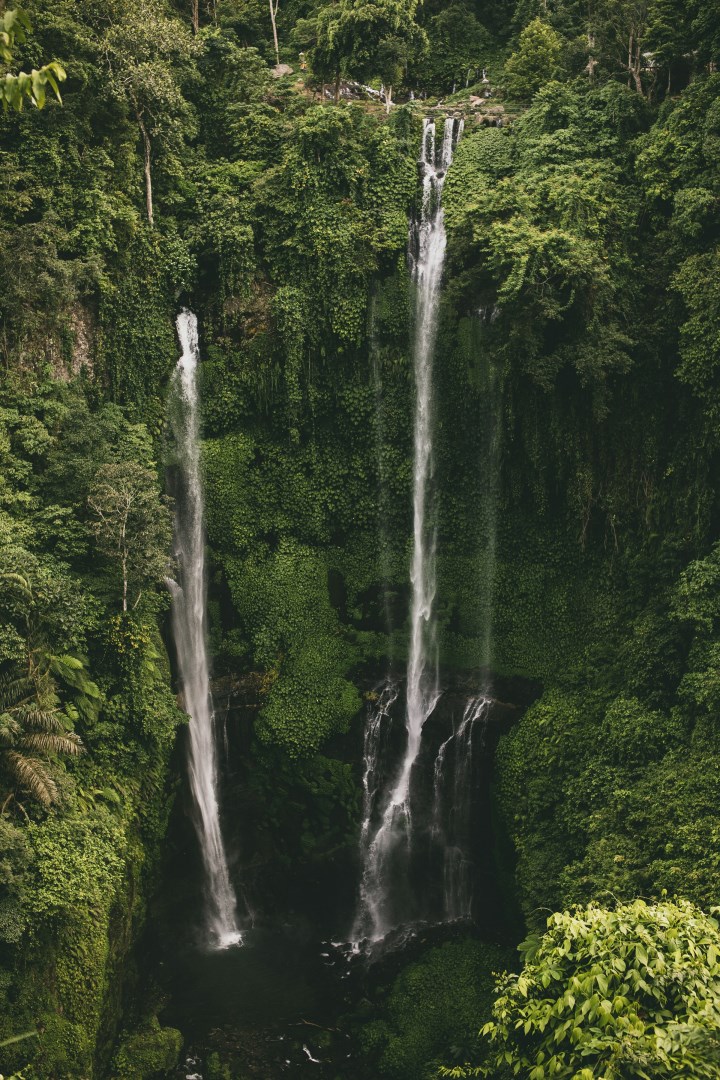
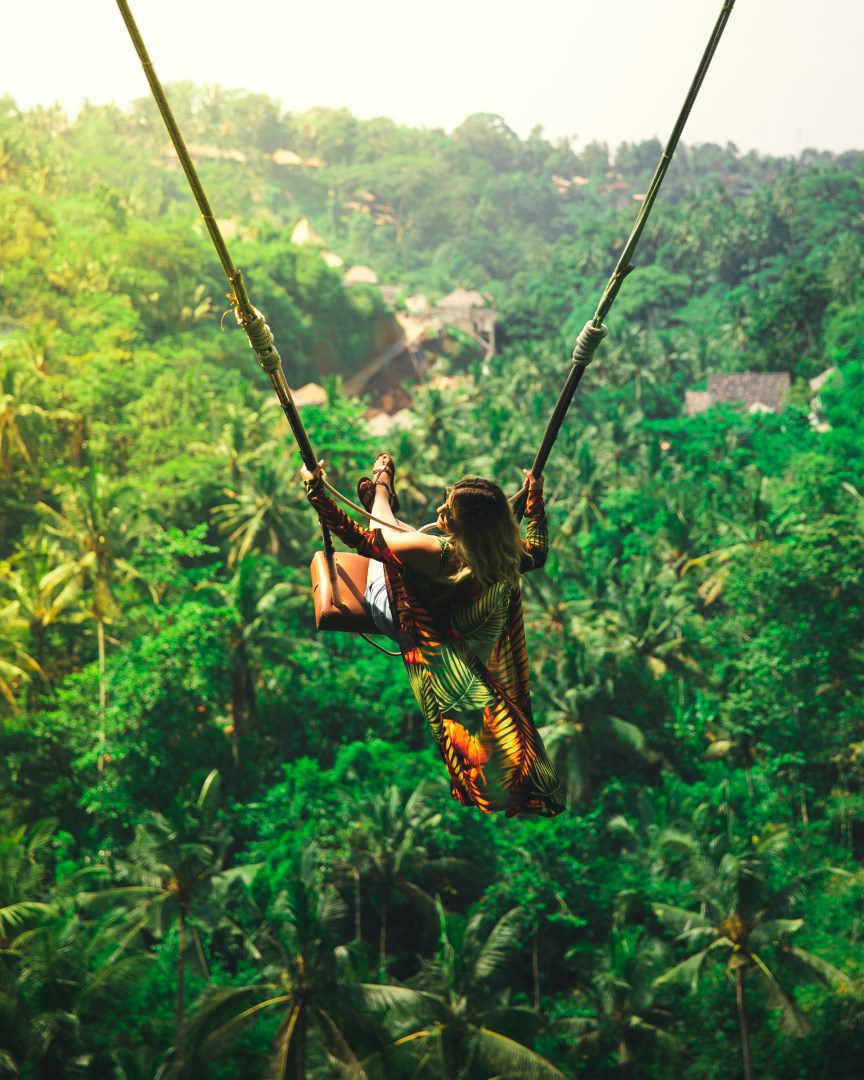
Sekumpul Waterfall is a group of tall cascades in northern Bali, located in the forested highlands of Buleleng Regency near the village of Sekumpul. Several streams descend from the surrounding hills, creating a series of waterfalls that are separated by dense tropical vegetation. The main viewpoint looks across a deep green valley toward the falls, while paths lead down into the gorge for closer views. The surrounding landscape includes rice fields, plantations, and steep forested slopes, giving the area a distinctly rural character. Local guides from nearby communities commonly assist visitors along the trails, which include numerous stairs and uneven sections.
Tanah Lot
Photo Credit: Photo by Nick Fewings on Unsplash
Tanah Lot
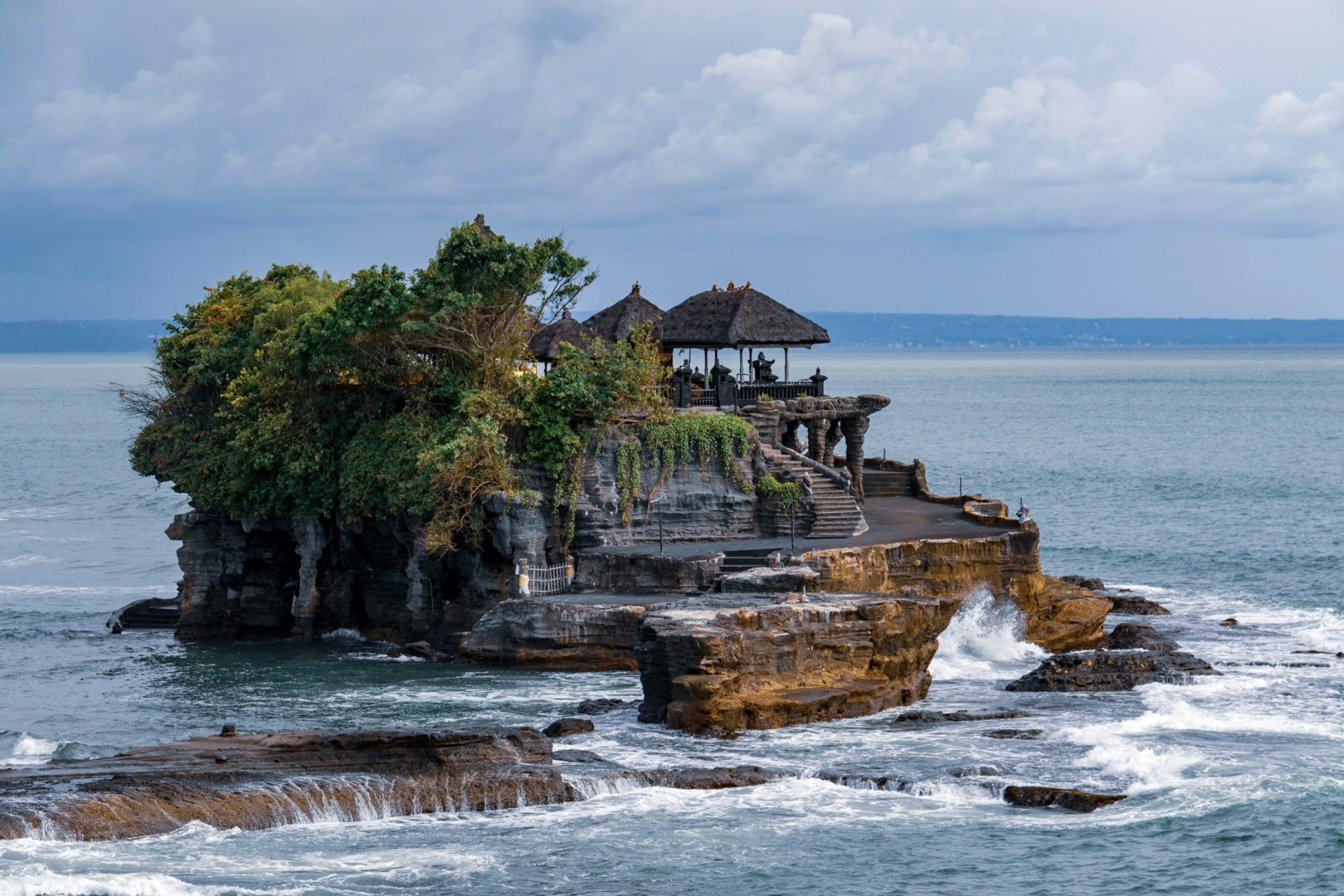
Tanah Lot is a Hindu temple complex on Bali’s southwestern coast, built on a rocky offshore outcrop in Tabanan Regency. Its name is commonly interpreted as meaning “land in the sea,” reflecting the temple’s position amid the coastal rocks and tides. Pura Tanah Lot is dedicated to the sea god and forms part of Bali’s network of important sea temples, which are traditionally positioned along the island’s coastline. At low tide, visitors can walk across the exposed shoreline toward the rock, while at high tide the temple appears separated from the mainland by seawater. The surrounding coast includes smaller shrines, cliffs, gardens, and viewpoints overlooking the Indian Ocean.
Tirta Empul Temple
Photo Credit: Photo by Ismail Hamzah on Unsplash
Tirta Empul Temple
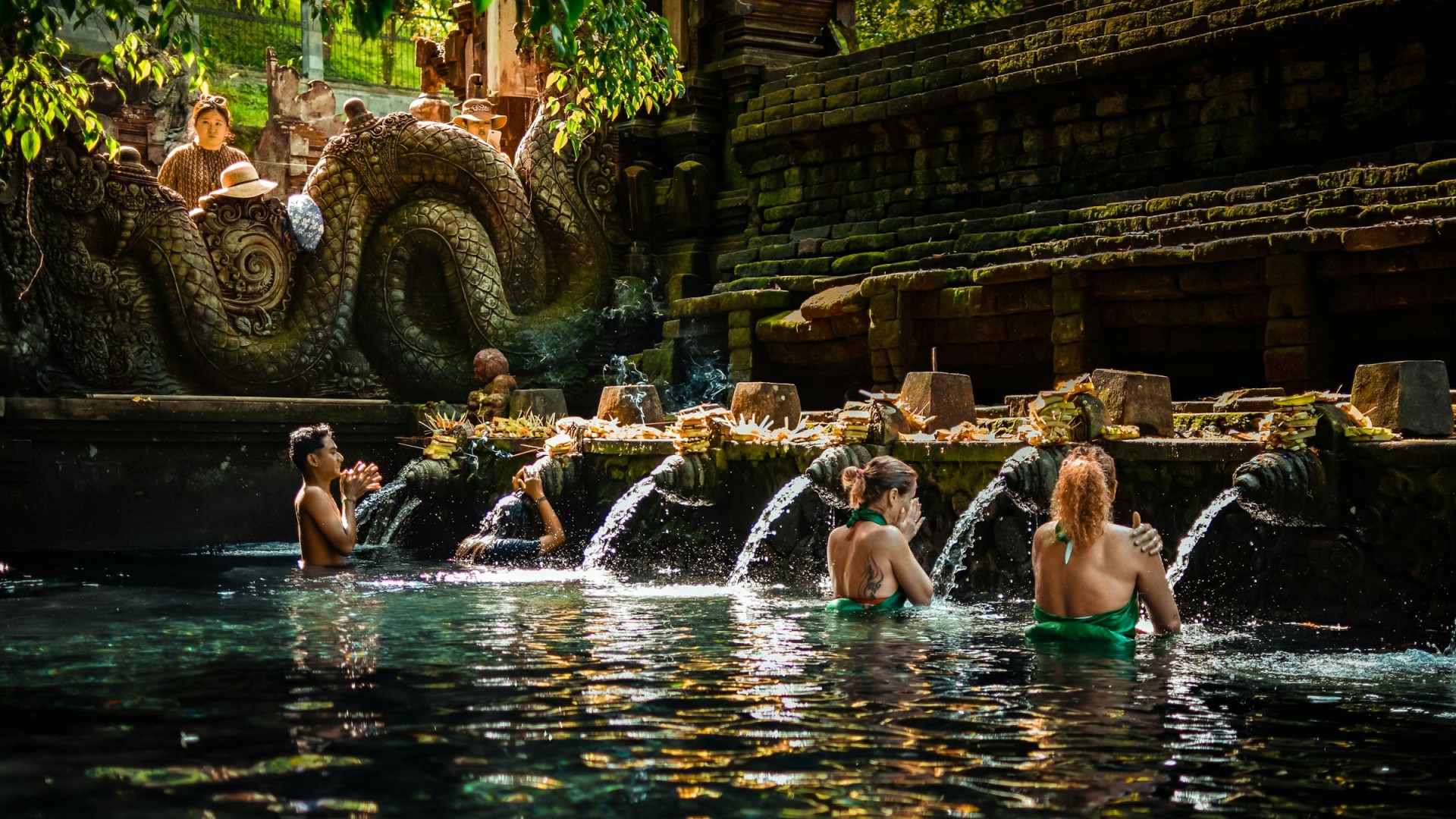
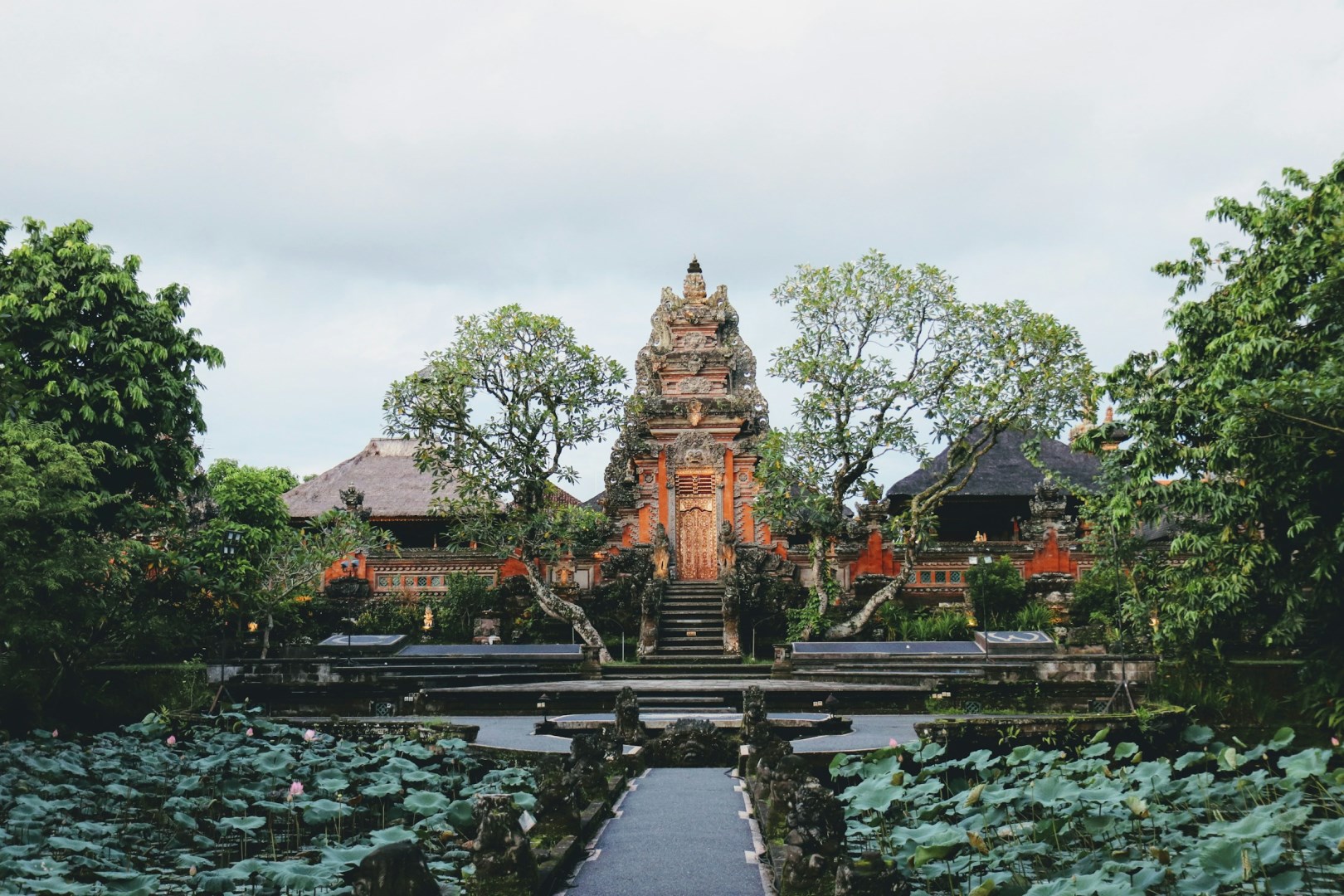
Tirta Empul Temple is a Hindu water temple in the village of Manukaya near Tampaksiring in central Bali, known for its sacred spring and traditional purification rituals. The temple complex contains several courtyards, shrines, pools, and bathing areas supplied by spring water, with worshippers traditionally moving through the purification pool while making offerings and prayers. The name Tirta Empul refers to the sacred water that emerges from the ground within the temple complex. The site is part of Bali’s wider cultural landscape of temples and water-management traditions, while the surrounding area includes rice fields, tropical vegetation, and the presidential palace at Tampaksiring.
Monkey Forest
Photo Credit: Photo by Juan Rumimpunu on Unsplash
Monkey Forest
Photo Credit: Photo by Unknown Wong on Unsplash
Sacred Monkey Forest Sanctuary
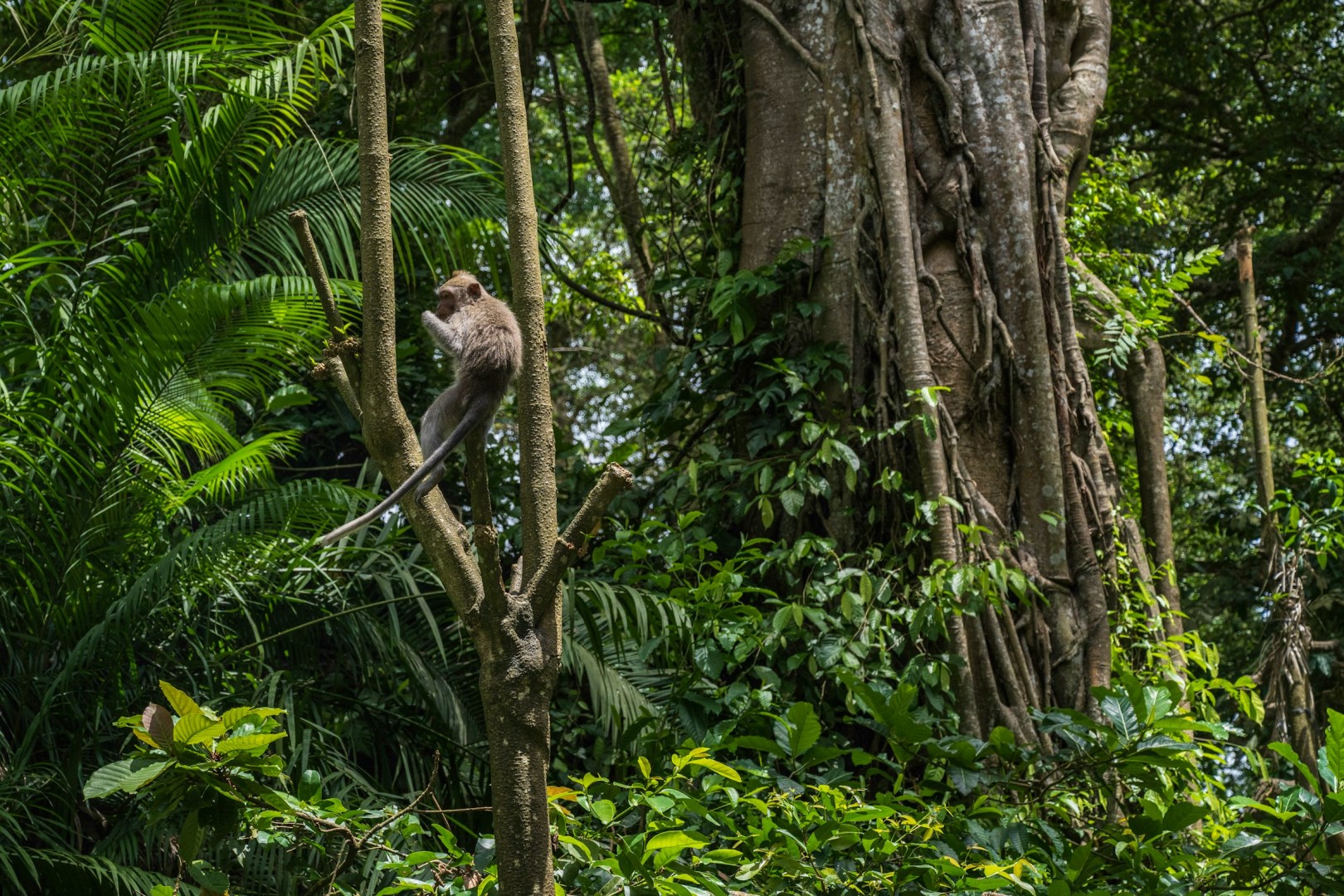
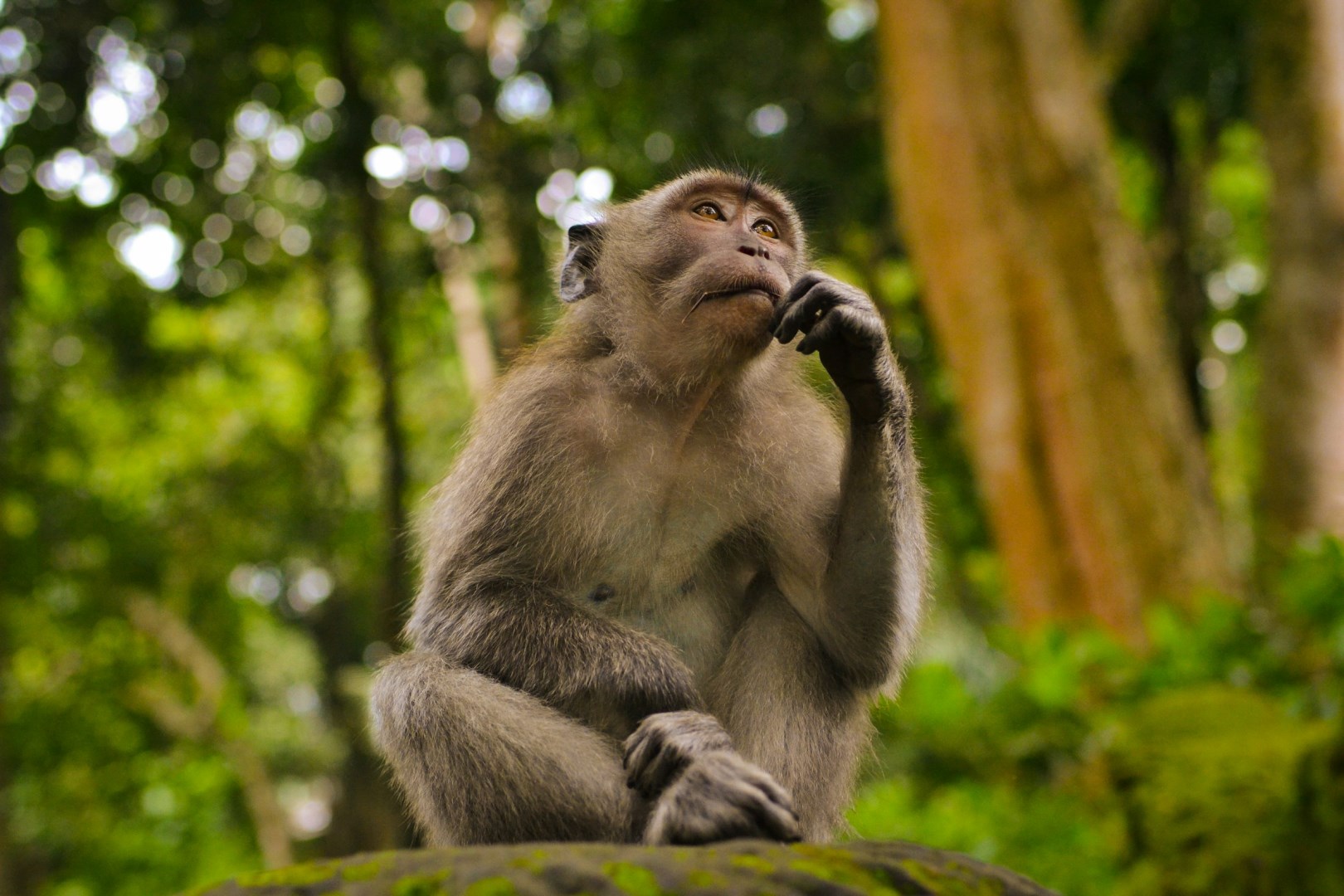
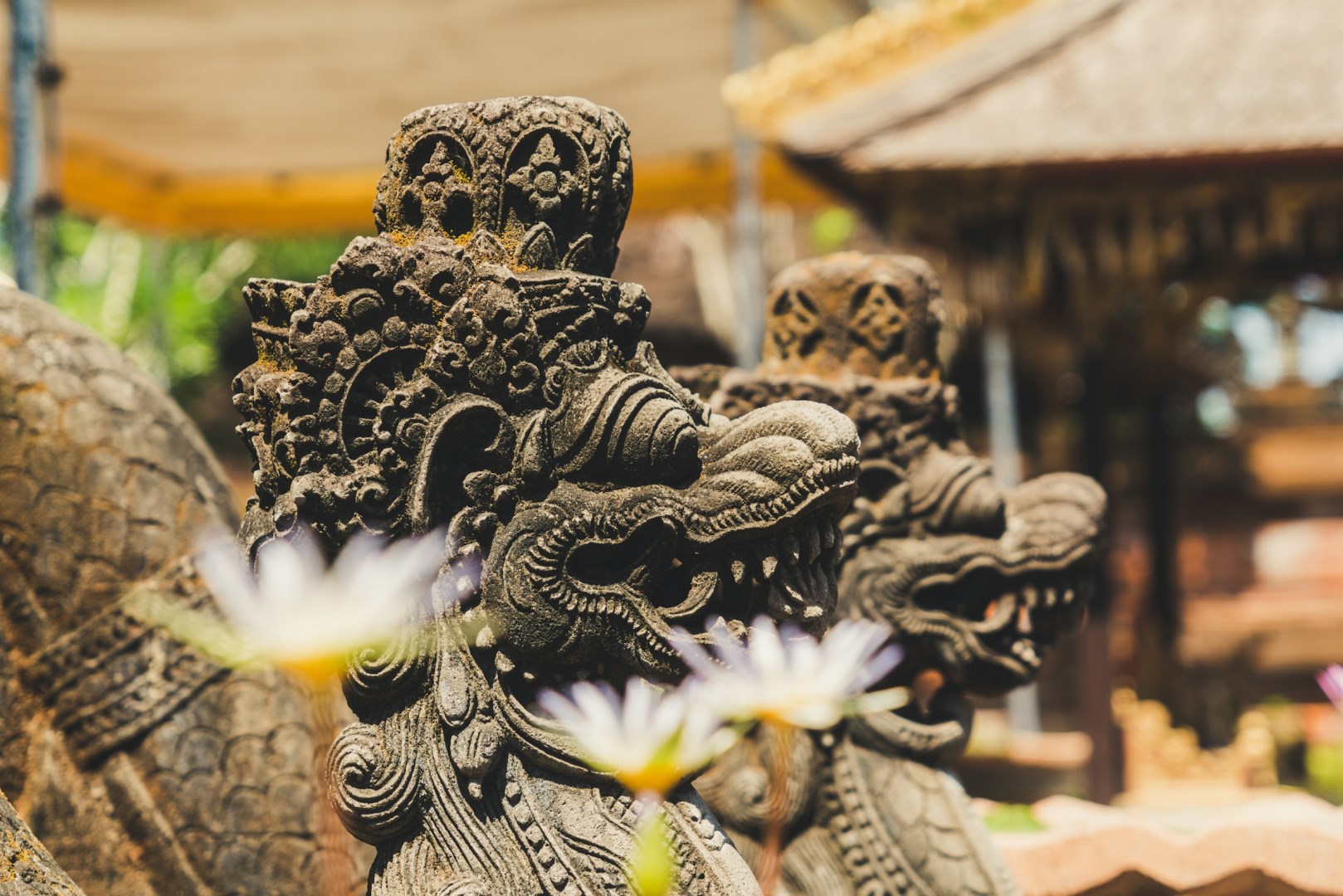
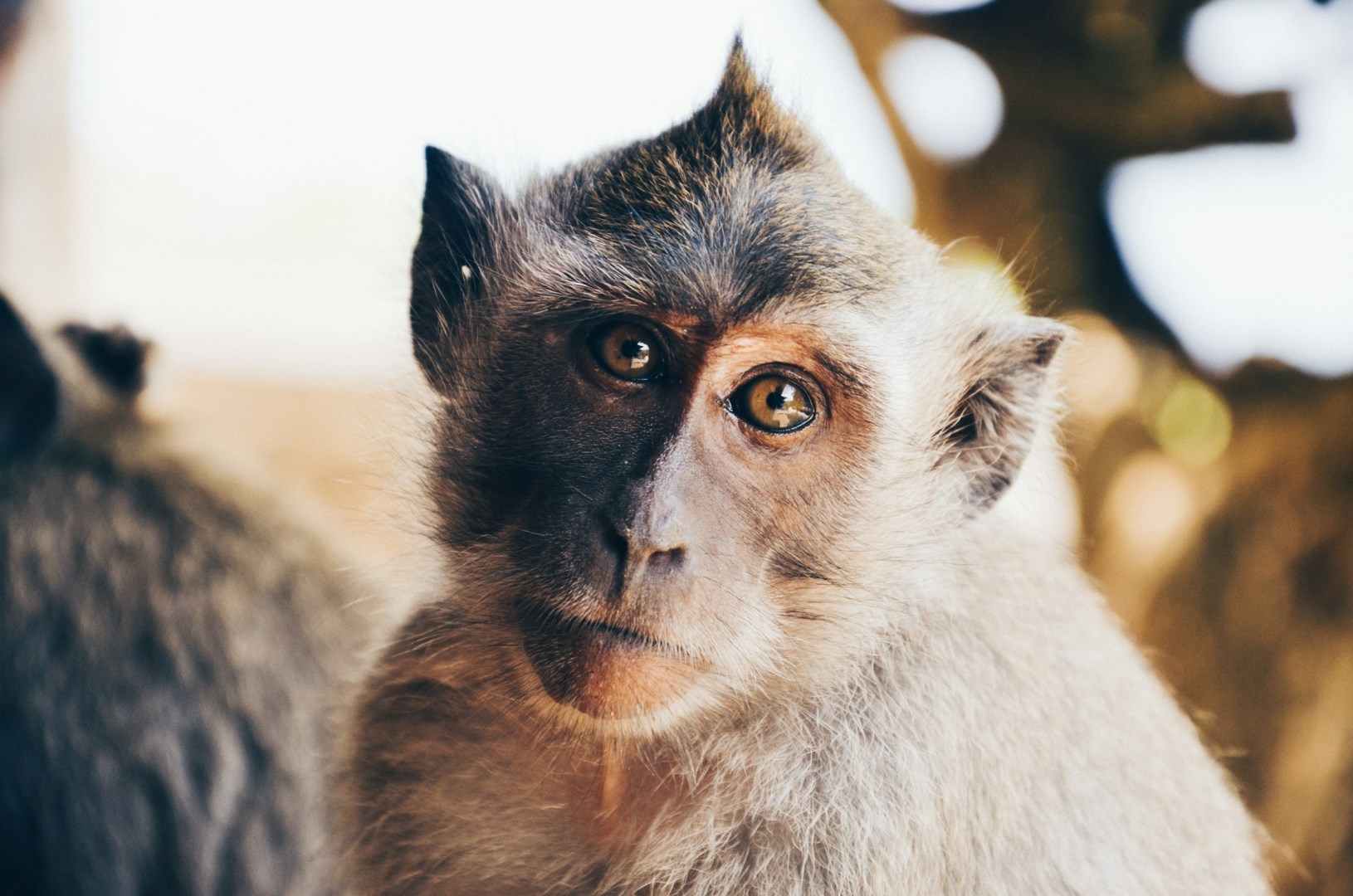
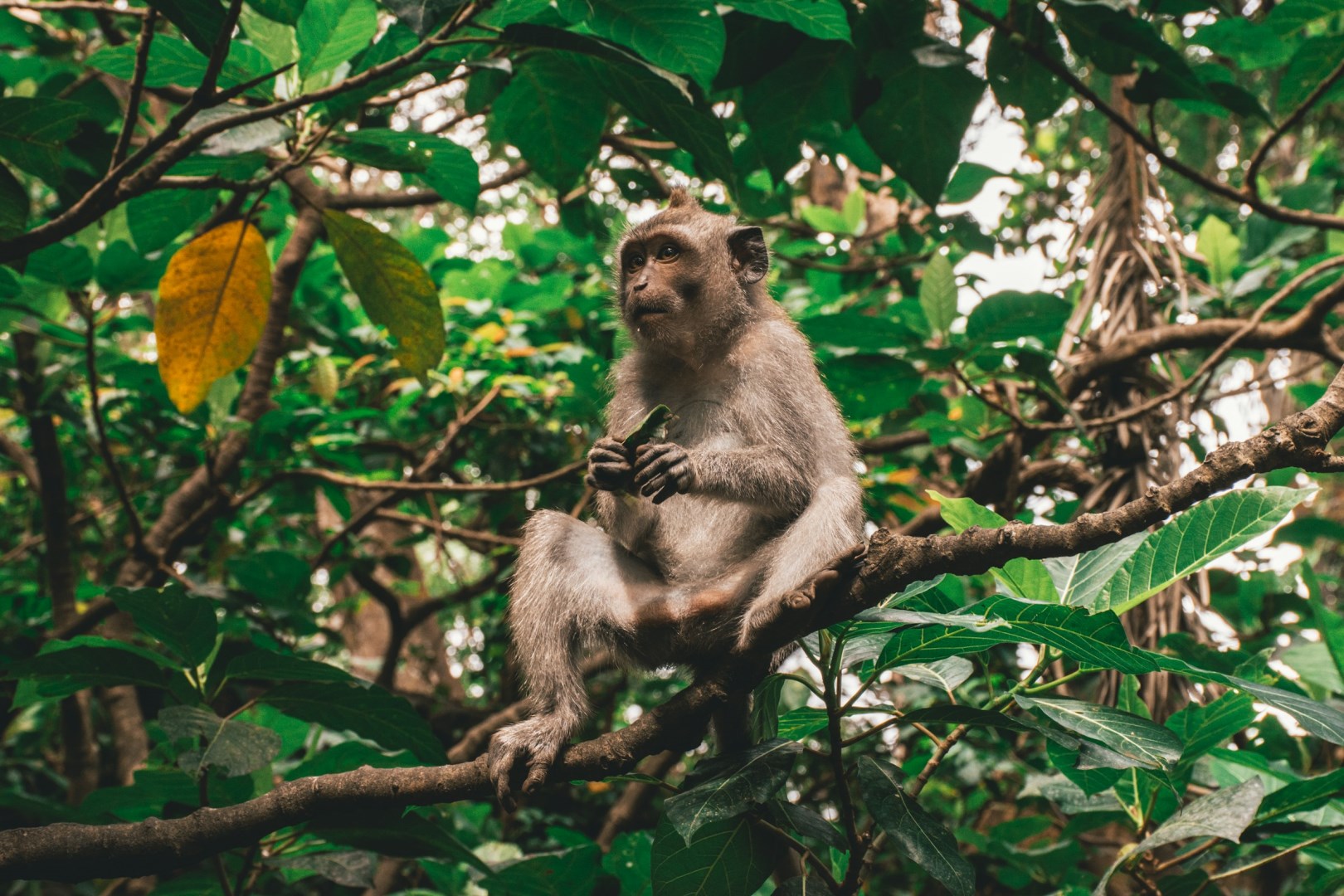
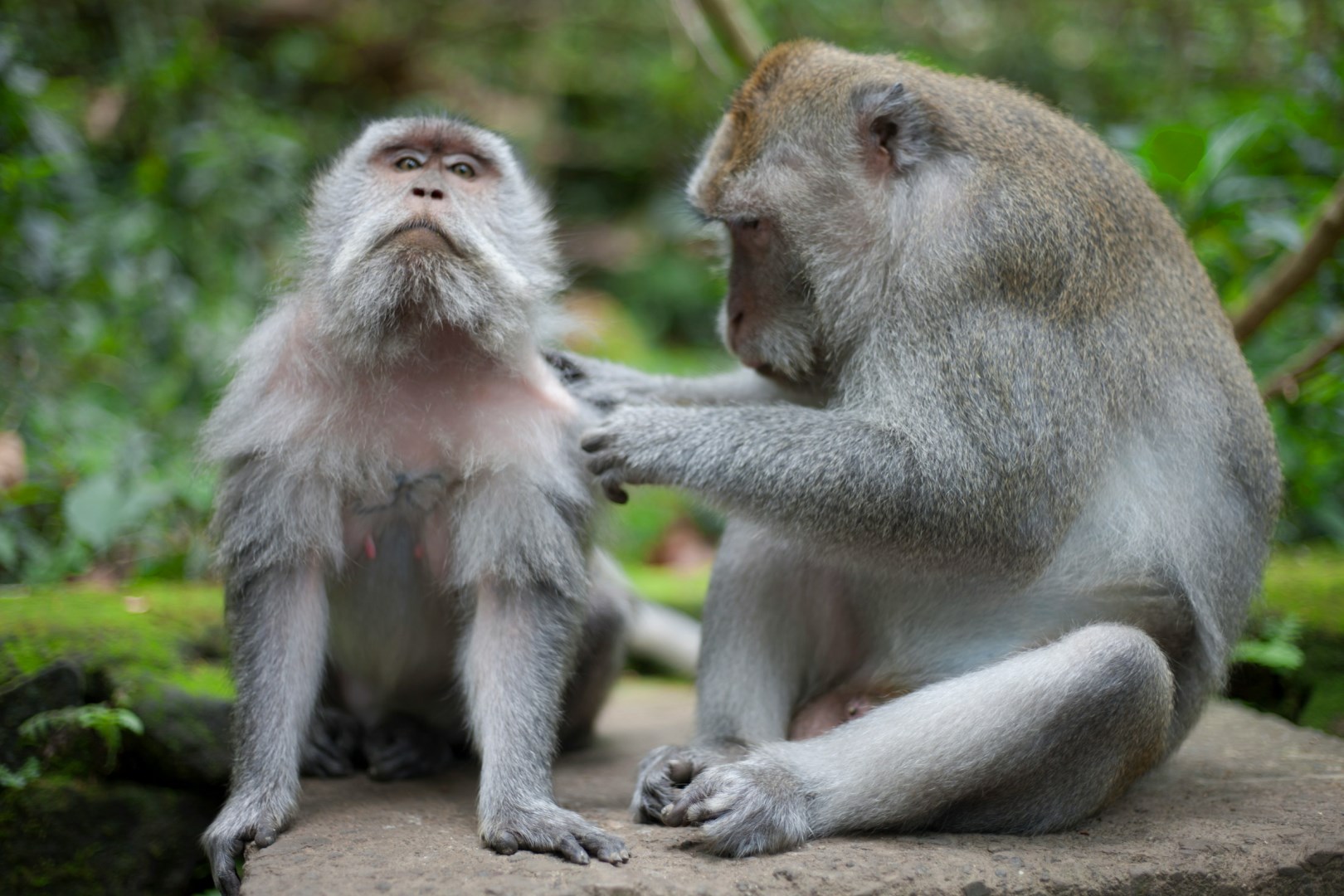
Ubud Monkey Forest, officially known as the Sacred Monkey Forest Sanctuary, is a protected forest and temple complex in the center of Ubud, Bali. The site contains dense tropical vegetation, moss-covered stone sculptures, bridges, and three Hindu temples, including Pura Dalem Agung Padangtegal. It is home to a large population of long-tailed macaques, which live freely throughout the forest and are regarded as part of the sanctuary’s cultural and natural setting. The temples, sacred springs, and traditional Balinese architecture are integrated into the landscape, while paths allow visitors to explore the forest without entering the animals’ habitat directly.
Uluwatu
Photo Credit: Photo by Polina Kuzovkova on Unsplash
Photo Credit: Photo by Des Récits on Unsplash
Uluwatu
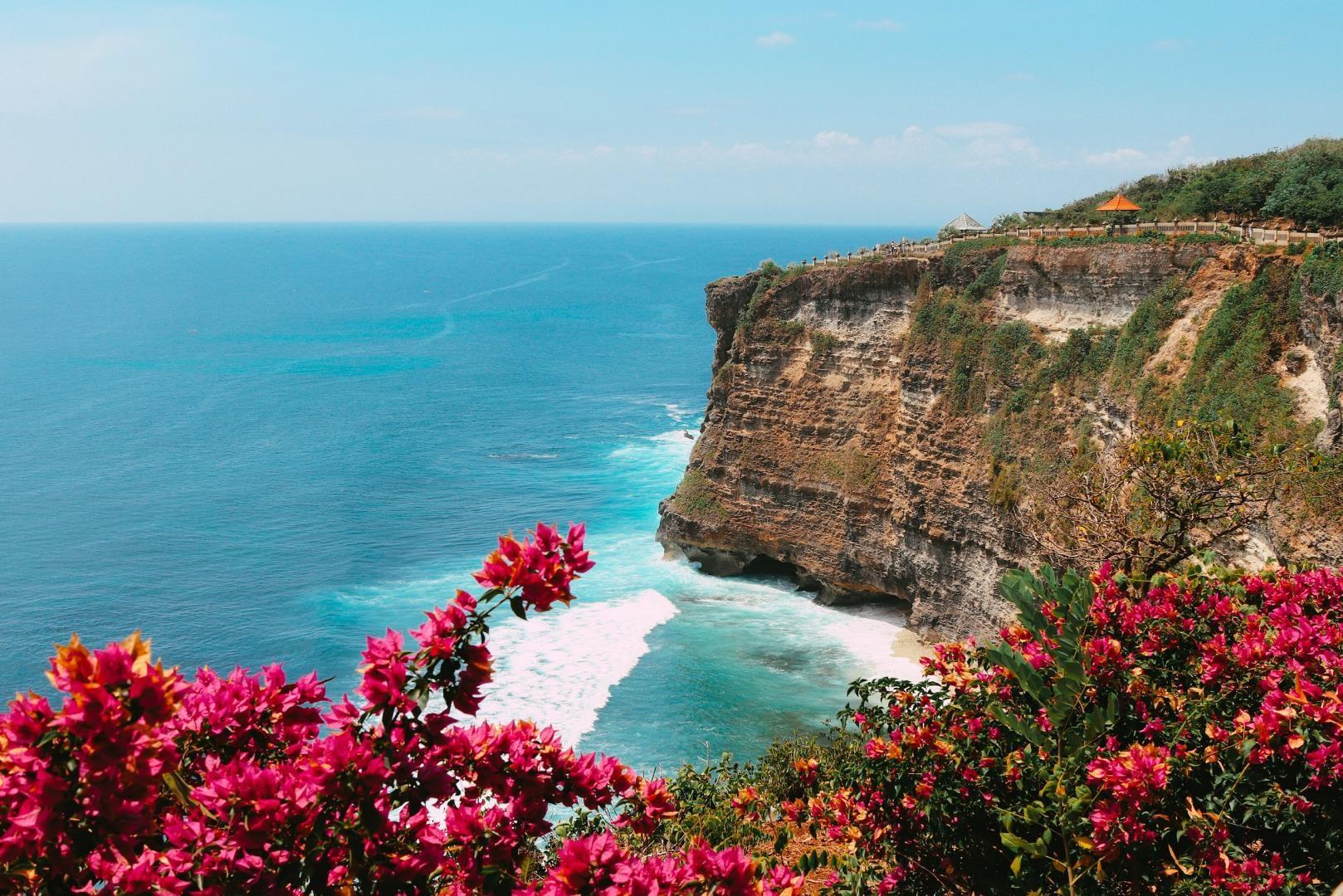
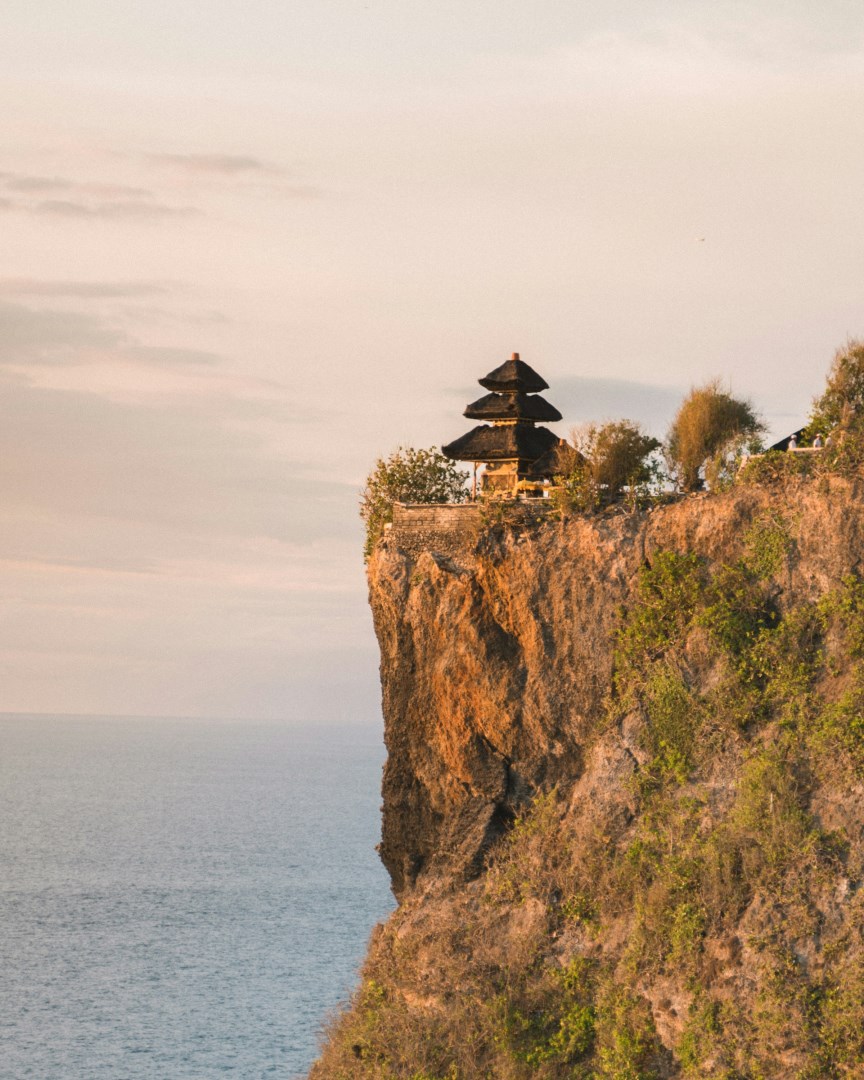
Uluwatu is a coastal area on the southwestern tip of Bali’s Bukit Peninsula, known for its limestone cliffs, Hindu temple, beaches, and Indian Ocean views. Pura Luhur Uluwatu stands on a cliff edge above the sea and is one of Bali’s important directional temples, forming part of the island’s network of sea temples. The surrounding cliffs rise above several surf beaches, including Uluwatu Beach, Padang-Padang, and Bingin. Uluwatu is also associated with the Kecak dance performances held near the temple at sunset, where performers present scenes from the Ramayana against the backdrop of the ocean and cliffs.